AI-Powered Digital Signage: The Future of Dynamic Content
How artificial intelligence is transforming digital signage with audience analytics, dynamic content optimization, personalization, and predictive scheduling.

Artificial intelligence is transforming digital signage from static content display to intelligent, responsive communication systems. From audience analytics to dynamic content optimization, AI enables signage that adapts in real-time. This guide explores how AI is reshaping the industry and how to leverage these capabilities.

How AI Transforms Digital Signage
AI enables capabilities that were impossible with traditional signage:
| Capability | Traditional Signage | AI-Powered Signage |
|---|---|---|
| Content selection | Pre-scheduled rotation | Dynamic based on audience |
| Audience understanding | None | Demographics, attention, sentiment |
| Optimization | Manual A/B testing | Continuous automated optimization |
| Personalization | Time-based dayparting | Real-time individual targeting |
| Measurement | Views estimated | Actual attention and engagement |
Key AI Applications
1. Audience Analytics (Computer Vision)
AI-powered cameras analyze viewers in real-time:
- Demographics: Age range, gender estimation
- Attention tracking: Are people looking at the screen?
- Dwell time: How long do viewers engage?
- Traffic patterns: Foot traffic flow, peak times
- Sentiment analysis: Facial expression interpretation
- Group detection: Individual vs. group viewing
Privacy considerations: Modern systems process video on-device without storing personal data or facial recognition IDs.

2. Dynamic Content Selection
AI chooses optimal content in real-time:
- Audience-based: Show different content to different demographics
- Context-aware: Weather, time, events, traffic levels
- Performance-optimized: Prioritize high-performing content
- Inventory-aware: Promote available products
- Personalization: Recognized customers see relevant content
Example: Retail Dynamic Selection
| Detected Audience | Content Displayed |
|---|---|
| Young adult, female | Spring fashion collection |
| Middle-aged, male | Electronics deals |
| Family with children | Kids' section promotions |
| Senior couple | Accessibility features, comfort items |
| No viewers detected | Attract mode, eye-catching content |
3. Content Generation
Generative AI creates and adapts content:
- Text generation: Headlines, descriptions, calls to action
- Image creation: AI-generated visuals matching brand guidelines
- Translation: Real-time multi-language content
- Personalization: Custom messaging based on context
- A/B variations: Generate multiple creative options automatically
4. Predictive Scheduling
AI optimizes when content displays:
- Traffic prediction: Schedule high-priority content for peak times
- Audience forecasting: Predict demographics by time of day
- Event awareness: Adjust for local events, weather, holidays
- Conversion optimization: Learn which times drive best results
5. Automated Optimization
Continuous performance improvement:
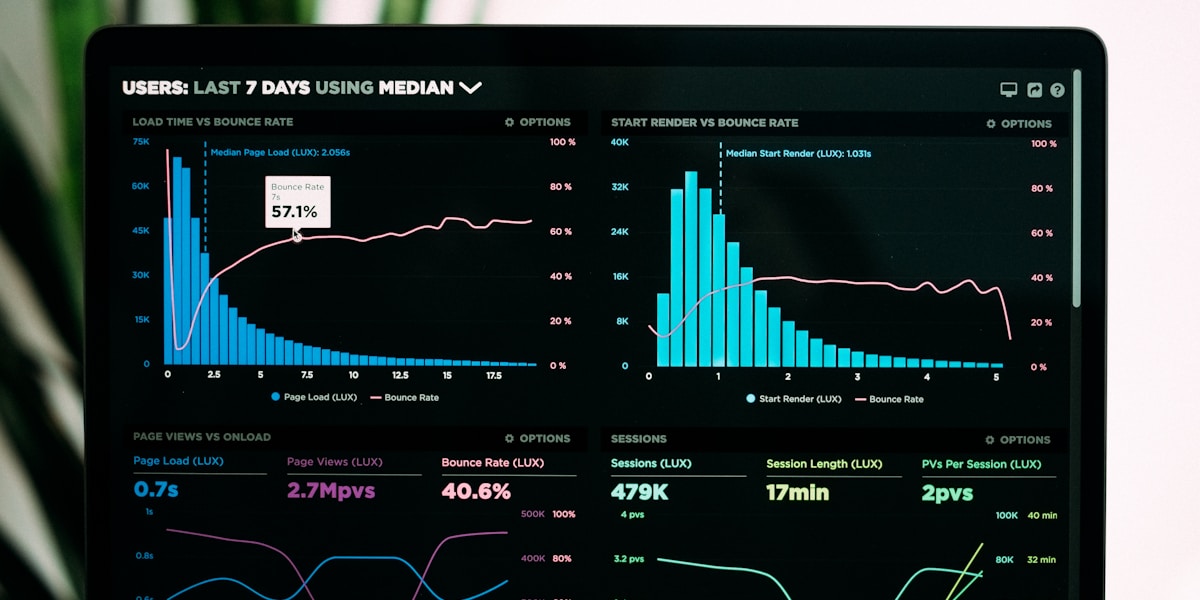
- Attention scoring: Measure which content gets looked at
- Dwell optimization: Increase engagement time
- Call-to-action testing: Optimize conversion messaging
- Placement learning: Which screen locations perform best
- Duration optimization: Ideal content length per context
Industry Applications
Retail
- Dynamic product recommendations based on viewer demographics
- Inventory-aware promotions (promote what's in stock)
- Queue-triggered content at checkout
- Heat mapping for store layout optimization
Quick Service Restaurants
- Menu optimization based on viewer profile
- Dynamic pricing during peak/off-peak
- Upsell recommendations based on order history
- Wait time content adjustment
Advertising Networks (DOOH)
- Impression verification (actual views vs. estimates)
- Audience-based pricing
- Programmatic ad insertion
- Campaign optimization across network
Healthcare
- Patient flow prediction for wayfinding
- Wait time estimation and content adjustment
- Accessibility adaptations for detected needs
- Anxiety-reducing content selection
Corporate
- Meeting room availability prediction
- Visitor recognition and personalized welcome
- Employee engagement content optimization
- Emergency response optimization
Implementing AI Signage
Technology Components
| Component | Purpose | Options |
|---|---|---|
| Computer vision camera | Audience detection | Intel RealSense, Quividi, AdMobilize |
| Edge processing | On-device AI | NVIDIA Jetson, Intel NUC, Coral |
| CMS with AI | Content management | Broadsign, Navori, Scala |
| Analytics platform | Insights and reporting | Quividi, AdMobilize, RetailNext |
Getting Started with AI
- Start with analytics: Add audience measurement to existing signage
- Gather baseline data: Understand current audience and engagement
- Implement rules-based targeting: Simple if/then content selection
- Add machine learning: Let AI optimize based on results
- Expand capabilities: Generative content, predictive scheduling
Privacy and Ethics
Best Practices
- On-device processing: No video leaves the device
- No facial recognition: Demographics only, not identification
- No data storage: Real-time processing, aggregate statistics
- Transparent disclosure: Signage about data collection
- Opt-out mechanisms: Respect viewer preferences
- GDPR/CCPA compliance: Follow regional regulations
What to Avoid
- ❌ Storing individual images or video
- ❌ Identifying specific individuals
- ❌ Sharing personal data with third parties
- ❌ Using data for purposes beyond disclosed
- ❌ Collecting without disclosure
ROI of AI-Powered Signage
Measurable Benefits
| Metric | Typical Improvement |
|---|---|
| Viewer attention | 30-50% increase |
| Content relevance | 40-60% improvement |
| Dwell time | 25-40% increase |
| Conversion (retail) | 10-20% lift |
| Ad value (DOOH) | 2-3x premium for verified impressions |
ROI Example: Retail Chain
| Factor | Value |
|---|---|
| AI camera hardware (per store) | $500 |
| AI analytics subscription | $200/month |
| Baseline conversion rate | 2.5% |
| Post-AI conversion rate | 3.1% |
| Monthly transactions | 10,000 |
| Average ticket | $45 |
| Monthly revenue increase | $27,000 |
| Payback period | 1 week |
Future Trends
Near-Term (2025-2026)
- Generative AI for on-demand content creation
- Voice interaction integration
- Deeper retail/POS integration
- Improved privacy-preserving analytics
Medium-Term (2027-2028)
- Hyper-personalization via mobile integration
- Predictive content based on external data
- Autonomous content optimization
- Cross-channel attribution
Long-Term Vision
- Fully autonomous signage networks
- Real-time generative content
- Seamless physical-digital experiences
- Context-aware ambient computing
Conclusion
AI is transforming digital signage from broadcast medium to intelligent, responsive communication channel. Start with audience analytics to understand your current performance, then layer in AI-powered optimization to continuously improve results.
Ready to explore AI-powered signage? Start with Spot and build the foundation for intelligent content delivery.
Related Resources: